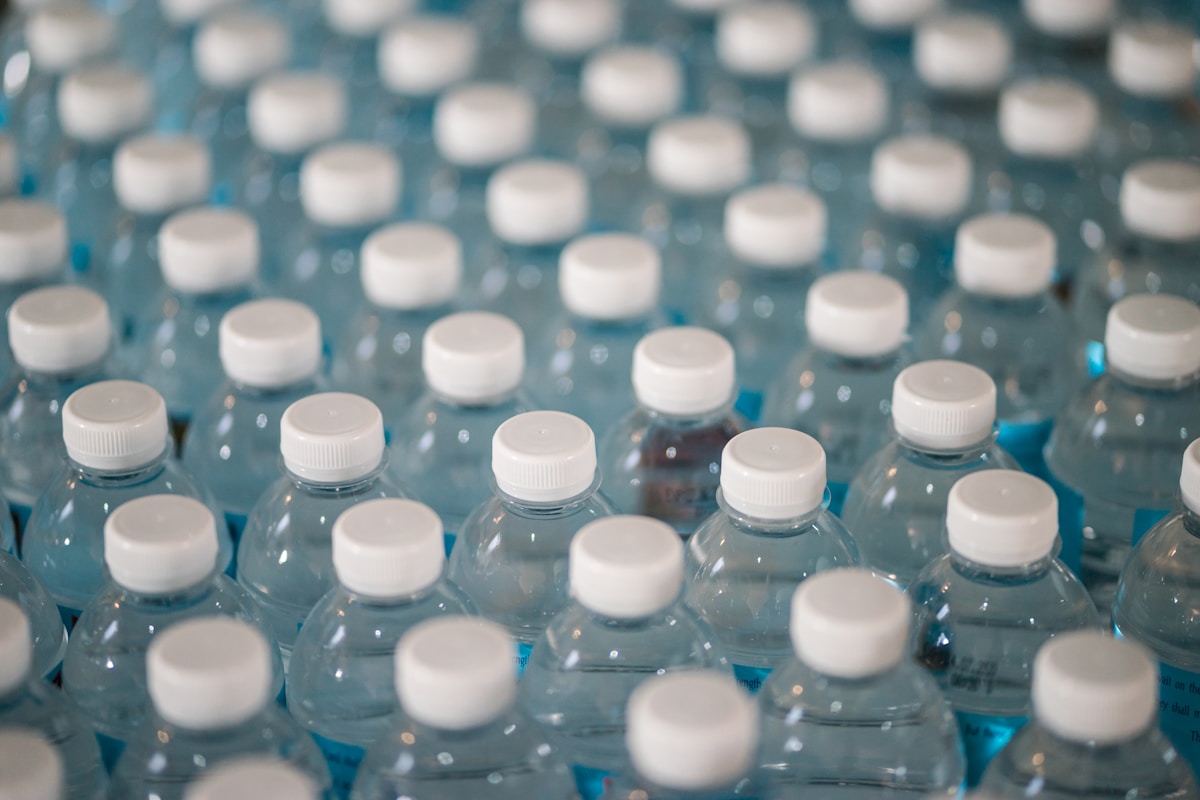
Plastic Alternatives: A Complete Comparison Guide for 2025
Plastic Alternatives: A Complete Comparison Guide for 2025
With over 8 billion tons of plastic produced since the 1950s and less than 10% effectively recycled, the search for viable alternatives has never been more critical. This comprehensive guide examines the leading plastic alternatives available today, providing you with the knowledge to make informed decisions for your packaging needs.
Understanding the Terminology
Before diving into specific materials, let's clarify often-confused terms:
Biodegradable: Materials that break down naturally through biological processes. No specific timeframe or conditions required.
Compostable: Materials that biodegrade under specific conditions within a set timeframe, leaving no toxic residue.
Bio-based: Materials derived from renewable biological resources, not necessarily biodegradable.
Recyclable: Materials that can be processed and transformed into new products.
Ocean-safe: Materials that safely biodegrade in marine environments without releasing harmful substances.
Comprehensive Material Analysis
1. PLA (Polylactic Acid)
What It Is: A bioplastic made from fermented plant starch (usually corn, sugarcane, or cassava)
Properties:
- Heat resistance: Up to 60°C (140°F)
- Shelf life: 6-12 months
- Barrier properties: Good for oxygen, moderate for moisture
- Transparency: Crystal clear options available
Best Applications:
- Cold beverage cups
- Deli containers
- Fresh produce packaging
- 3D printing filament
Advantages:
- Industrially compostable in 60-90 days
- Made from renewable resources
- Similar clarity to traditional plastics
- FDA approved for food contact
Limitations:
- Requires industrial composting facilities
- Not suitable for hot applications
- Can contaminate PET recycling streams
- Higher cost than conventional plastics
Cost Analysis: 20-30% more expensive than traditional plastics
Environmental Impact Score: 7/10
2. PHA (Polyhydroxyalkanoates)
What It Is: Bioplastic produced by microorganisms feeding on organic materials
Properties:
- Heat resistance: Up to 180°C (356°F)
- Shelf life: 12-24 months
- Barrier properties: Excellent
- Flexibility: Highly customizable
Best Applications:
- Food packaging films
- Agricultural films
- Medical implants
- Cosmetic containers
Advantages:
- Marine biodegradable
- Home compostable
- No toxic residues
- Excellent barrier properties
Limitations:
- Currently expensive to produce
- Limited production capacity
- Variable performance characteristics
- Slow biodegradation in cold environments
Cost Analysis: 2-3x more expensive than traditional plastics
Environmental Impact Score: 9/10
3. Bagasse (Sugarcane Fiber)
What It Is: Fibrous residue remaining after sugarcane juice extraction
Properties:
- Heat resistance: Up to 200°C (392°F)
- Durability: Sturdy but not waterproof without coating
- Compostability: 30-60 days
- Microwave safe: Yes
Best Applications:
- Takeout containers
- Plates and bowls
- Coffee cups
- Clamshell packaging
Advantages:
- Agricultural waste product
- Home compostable
- Heat resistant
- Sturdy construction
Limitations:
- Not suitable for liquids without lining
- Can become soggy with extended moisture exposure
- Limited shelf life
- Bulkier than plastic alternatives
Cost Analysis: Comparable to premium plastic packaging
Environmental Impact Score: 8/10
4. Mushroom Packaging (Mycelium)
What It Is: Packaging grown from mushroom roots (mycelium) and agricultural waste
Properties:
- Customizable shapes and densities
- Fire resistant
- Excellent shock absorption
- 100% biodegradable
Best Applications:
- Protective packaging for electronics
- Wine shipping inserts
- Furniture packaging
- Insulation materials
Advantages:
- Grown to fit specific shapes
- Uses agricultural waste
- Completely biodegradable in 30 days
- Natural fire resistance
Limitations:
- 7-10 day growing period
- Not suitable for food contact
- Limited to protective packaging
- Requires controlled growing conditions
Cost Analysis: Competitive with expanded polystyrene for custom applications
Environmental Impact Score: 10/10
5. Seaweed-Based Materials
What It Is: Flexible films and coatings derived from seaweed extracts
Properties:
- Water soluble or resistant (depending on treatment)
- Edible options available
- Natural antimicrobial properties
- Transparent to opaque options
Best Applications:
- Sauce sachets
- Instant food packaging
- Cosmetic samples
- Agricultural films
Advantages:
- Rapidly renewable resource
- No freshwater or land required
- Naturally biodegradable
- Can be made edible
Limitations:
- Limited mechanical strength
- Short shelf life
- Moisture sensitivity
- Currently small-scale production
Cost Analysis: 3-4x more expensive than traditional plastics (expected to decrease)
Environmental Impact Score: 10/10
6. Cellulose Acetate
What It Is: Modified natural polymer derived from wood pulp or cotton
Properties:
- Heat resistance: Moderate
- Transparency: Excellent
- Durability: Good
- Biodegradability: 1-2 years
Best Applications:
- Food packaging films
- Cigarette filters
- Eyeglass frames
- Photographic film
Advantages:
- Made from renewable resources
- Good transparency and gloss
- Biodegradable
- Established production infrastructure
Limitations:
- Slow biodegradation rate
- Chemical processing required
- Moisture sensitive
- More expensive than conventional plastics
Cost Analysis: 40-50% more expensive than traditional plastics
Environmental Impact Score: 6/10
7. Paper-Based Solutions
What It Is: Traditional and innovative paper packaging with various coatings
Properties:
- Recyclability: Excellent (without plastic coating)
- Customization: Highly versatile
- Strength: Variable based on design
- Water resistance: Requires coating
Best Applications:
- Shipping boxes
- Food containers
- Shopping bags
- Protective wrapping
Advantages:
- Established recycling infrastructure
- Renewable when sustainably sourced
- Printable and brandable
- Cost-effective at scale
Limitations:
- Not inherently water-resistant
- Can require plastic coatings
- Deforestation concerns
- Heavier than plastic alternatives
Cost Analysis: Generally cost-competitive with plastics
Environmental Impact Score: 7/10 (9/10 with FSC certification)
8. Starch-Based Bioplastics
What It Is: Plastics derived from corn, potato, or other starch sources
Properties:
- Water soluble options available
- Good film-forming properties
- Compostable
- Varying mechanical properties
Best Applications:
- Garbage bags
- Agricultural films
- Loose-fill packaging
- Shopping bags
Advantages:
- Made from abundant resources
- Home compostable options
- Lower carbon footprint
- Can be blended with other materials
Limitations:
- Moisture sensitive
- Limited heat resistance
- Can affect food security
- Variable performance
Cost Analysis: 10-20% more expensive than traditional plastics
Environmental Impact Score: 7/10
Performance Comparison Matrix
| Material | Strength | Water Resistance | Heat Resistance | Cost | Biodegradability | Production Scale | |----------|----------|------------------|-----------------|------|------------------|------------------| | PLA | High | Moderate | Low | Medium | Industrial only | Large | | PHA | High | High | High | High | Home compostable | Small | | Bagasse | Medium | Low | High | Low | Home compostable | Large | | Mycelium | Medium | Low | Medium | Medium | Home compostable | Small | | Seaweed | Low | Variable | Low | High | Water soluble | Very small | | Cellulose | Medium | Low | Medium | Medium | Slow | Large | | Paper | Variable | Low | High | Low | Recyclable | Very large | | Starch | Medium | Low | Low | Low | Home compostable | Medium |
Decision Framework
For Food Service
Best Options: Bagasse, PLA, Paper with bio-coating Key Considerations: FDA approval, heat resistance, cost
For E-commerce Shipping
Best Options: Mycelium, Paper, Starch-based loose fill Key Considerations: Protection, cost, customer experience
For Retail Packaging
Best Options: PLA, Cellulose, Paper Key Considerations: Shelf appeal, barrier properties, recyclability
For Agricultural Applications
Best Options: PHA, Starch-based films Key Considerations: Biodegradability in soil, cost, durability
Implementation Roadmap
Phase 1: Assessment (Weeks 1-2)
- Identify current plastic usage by category
- Determine performance requirements
- Assess local disposal infrastructure
- Calculate budget constraints
Phase 2: Testing (Weeks 3-8)
- Order samples of suitable alternatives
- Conduct performance testing
- Run customer acceptance trials
- Evaluate supply chain implications
Phase 3: Pilot Program (Weeks 9-16)
- Select best-performing alternatives
- Implement with single product line
- Monitor performance metrics
- Gather stakeholder feedback
Phase 4: Scale-Up (Months 4-12)
- Refine based on pilot results
- Negotiate supplier contracts
- Train staff on new materials
- Roll out across product lines
Cost-Benefit Analysis
Initial Investment
- Material cost premium: 10-40%
- Equipment modifications: $5,000-50,000
- Training and development: $2,000-10,000
- Marketing materials: $1,000-5,000
Return on Investment
- Customer acquisition: 15-25% increase
- Customer retention: 20-30% improvement
- Brand value: 10-15% premium pricing power
- Regulatory compliance: Avoid future penalties
Break-even Timeline
- Small business: 18-24 months
- Medium business: 12-18 months
- Large business: 6-12 months
Future Innovations
Emerging Technologies
Nanocellulose: Ultra-strong, transparent films from wood fibers Protein-based films: Edible packaging from milk or plant proteins Chitosan: Antimicrobial packaging from crustacean shells DNA plastics: Programmable biodegradation using synthetic biology
Market Trends
- Chemical recycling for mixed plastic waste
- Blockchain for material traceability
- AI-optimized material selection
- Circular economy business models
Making the Right Choice
Consider these factors when selecting alternatives:
- Application requirements: Match material properties to use case
- Local infrastructure: Ensure proper disposal options exist
- Supply chain stability: Verify consistent availability
- Total cost of ownership: Include disposal and brand impact
- Customer acceptance: Test market response before full rollout
Conclusion
The transition from traditional plastics to sustainable alternatives is not a one-size-fits-all solution. Each material offers unique advantages and limitations. Success requires careful evaluation of your specific needs, local infrastructure, and business goals.
The good news is that viable alternatives exist for nearly every plastic application. By understanding the options and following a systematic approach to implementation, businesses can reduce their environmental impact while meeting customer demands and regulatory requirements.
The future of packaging is not about finding a single perfect replacement for plastic, but rather selecting the right material for each specific application. Start small, test thoroughly, and scale what works. Your customers, your business, and the planet will thank you.
About the Author
Dr. Emma Wilson
Sustainability Expert
Contributing writer specializing in sustainable packaging and circular economy solutions.
Stay Updated
Get the latest insights on sustainable packaging delivered to your inbox.