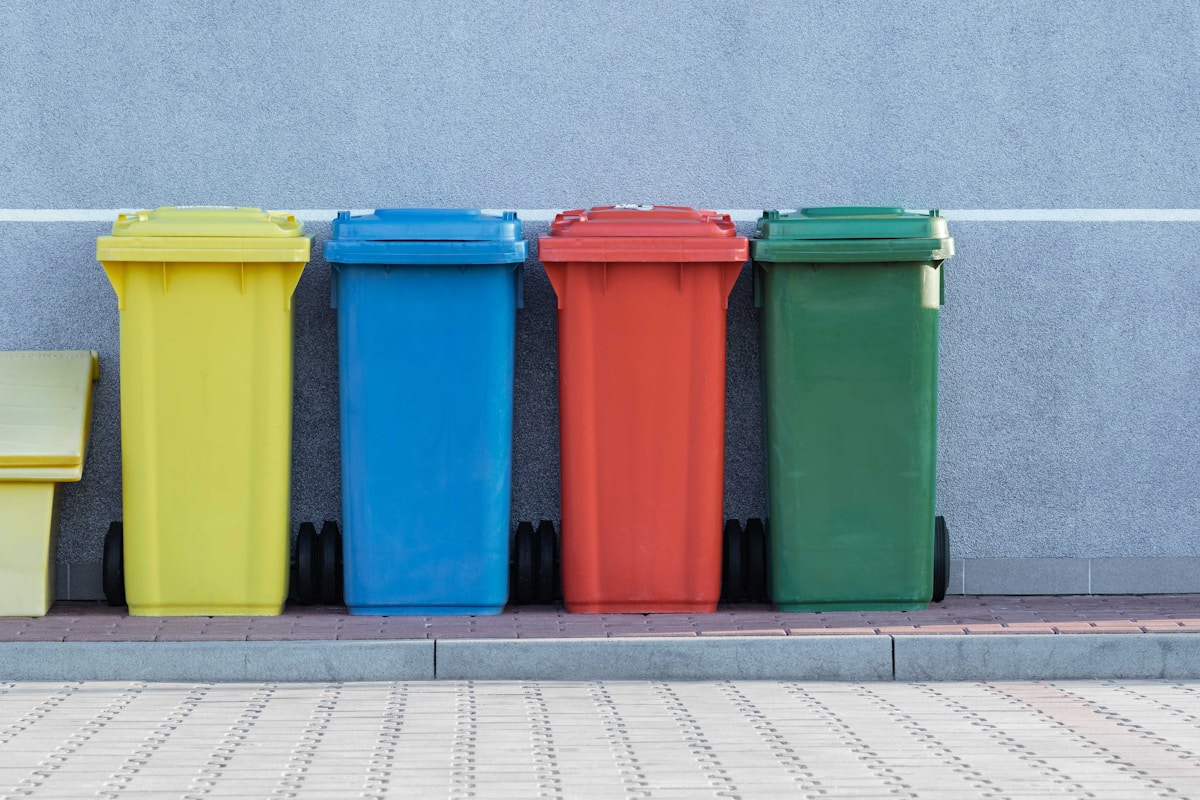
The Circular Economy Revolution in Packaging: From Linear to Loop
The Circular Economy Revolution in Packaging: From Linear to Loop
For over a century, we've operated on a linear "take-make-dispose" model that treats packaging as waste after a single use. This system is fundamentally broken. With landfills overflowing and oceans choking on plastic, the circular economy offers a transformative solution: keeping materials in use indefinitely through smart design, innovative business models, and systemic change.
What Is the Circular Economy?
The circular economy reimagines our relationship with materials. Instead of the traditional linear path from resource extraction to landfill, materials flow in continuous cycles, maintaining their highest value for as long as possible.
The Three Principles
- Design out waste and pollution: Problems are prevented at the design stage
- Keep products and materials in use: Through reuse, repair, and recycling
- Regenerate natural systems: Return nutrients safely to the biosphere
The Current Linear Problem
Our current packaging system is staggeringly wasteful:
- 32% of plastic packaging escapes collection systems entirely
- 40% ends up in landfills despite being technically recyclable
- 14% is incinerated, releasing greenhouse gases
- Only 14% is collected for recycling, and just 5% is effectively recycled
This linear model costs the global economy $80-120 billion annually in lost plastic packaging material value alone.
Circular Packaging Strategies
1. Design for Circularity
Material Selection Choose materials that can maintain quality through multiple cycles:
- Mono-materials over composites
- High-value recyclables (PET, aluminum)
- Certified compostable materials
- Renewable, regenerative sources
Design Principles
- Minimize material use through lightweighting
- Design for disassembly and separation
- Eliminate problematic materials (PVC, PS, carbon black)
- Standardize formats for easier processing
2. Innovative Business Models
Product-as-a-Service Companies retain ownership of packaging, leasing function rather than selling materials:
- Reusable shipping containers
- Returnable transit packaging
- Deposit return schemes
Refill Systems
- In-store refill stations
- Subscription refill pouches
- Concentrated products
- Mobile refill services
Take-Back Programs
- Brand-operated return systems
- Retail collection points
- Mail-back programs
- Reverse logistics networks
3. Biological Cycles
For packaging that can't be reused:
Compostable Solutions
- Design for industrial or home composting
- Ensure clean biological cycles
- Avoid persistent chemicals
- Include clear disposal instructions
Regenerative Materials
- Packaging that enriches soil when composted
- Seed-embedded packaging
- Nutrient-rich agricultural waste materials
Real-World Success Stories
Loop: The Modern Milkman
Loop partners with major brands to deliver products in durable, reusable packaging. Customers pay a deposit, and empty containers are collected, cleaned, and refilled.
Results:
- 100+ major brand partners
- Available in 5 countries
- Average package reused 20+ times
- 50% reduction in carbon footprint
Apeel Sciences: Nature's Packaging
Apeel creates an edible coating from plant materials that doubles the shelf life of produce, reducing both food waste and plastic packaging need.
Impact:
- 50% reduction in food waste
- Eliminated millions of plastic packages
- Extended shelf life without refrigeration
- Saved 250 million liters of water
RePack: Reusable E-commerce Packaging
Finnish company RePack offers returnable delivery packaging for online retailers.
Achievements:
- Packages reused up to 40 times
- 80% reduction in carbon emissions
- 96% customer satisfaction rate
- 70% return rate for packages
Notpla: Disappearing Packaging
Creating packaging from seaweed that biodegrades in weeks or can be eaten.
Applications:
- Edible water pods for marathons
- Sauce sachets for takeaway
- Food container linings
- Laundry pod films
Implementation Framework
For Brands
Step 1: Material Inventory
- Map all packaging materials
- Identify problematic components
- Assess recycling rates
- Calculate material value loss
Step 2: Redesign Priority Matrix | Impact | Effort | Action | |--------|--------|--------| | High | Low | Quick wins - implement immediately | | High | High | Strategic projects - plan carefully | | Low | Low | Easy improvements - delegate | | Low | High | Avoid or postpone |
Step 3: Pilot Programs
- Test reusable models with loyal customers
- Launch refill stations in flagship stores
- Partner with circular economy platforms
- Measure and iterate
For Retailers
Hosting Refill Stations
- Allocate 5-10% of floor space
- Partner with multiple brands
- Invest in hygiene systems
- Train staff thoroughly
Deposit Return Systems
- Install reverse vending machines
- Offer store credit incentives
- Partner with recycling companies
- Track and report impact
For Manufacturers
Investing in Infrastructure
- Washing and sanitization facilities
- Quality control systems
- Reverse logistics networks
- Track and trace technology
The Economics of Circular Packaging
Cost Structure Evolution
Traditional Linear Model:
- One-time material purchase
- Single-use design costs
- Disposal externalities ignored
Circular Economy Model:
- Higher initial investment
- Ongoing operational costs
- Captured value from multiple uses
- Avoided waste management costs
Return on Investment
Short-term (Year 1):
- 20-30% higher packaging costs
- Infrastructure investment required
- Customer education expenses
Medium-term (Years 2-3):
- Break-even achieved
- Customer loyalty benefits realized
- Operational efficiencies gained
Long-term (Years 4+):
- 15-25% cost reduction
- Premium pricing power
- Regulatory compliance advantage
- Enhanced brand value
Technology Enablers
Digital Product Passports
Blockchain and QR codes track materials through multiple lifecycles:
- Material composition data
- Recycling instructions
- Use history
- Carbon footprint
AI-Powered Sorting
Machine learning improves recycling facility efficiency:
- 95%+ accuracy in material identification
- Contamination detection
- Quality assessment
- Predictive maintenance
Chemical Recycling
Breaking plastics down to molecular level for infinite recycling:
- Handles mixed and contaminated plastics
- Produces virgin-quality materials
- Processes previously unrecyclable items
- Complements mechanical recycling
Internet of Packaging
Smart packaging communicates throughout its lifecycle:
- Fill level sensors trigger refills
- Freshness indicators reduce waste
- Location tracking for returns
- Usage data for optimization
Overcoming Barriers
Challenge 1: Consumer Behavior
Solution: Make circular options more convenient than linear
- Seamless return processes
- Incentive programs
- Clear communication
- Superior user experience
Challenge 2: Infrastructure Gaps
Solution: Collaborative investment
- Public-private partnerships
- Shared facilities
- Industry standards
- Government support
Challenge 3: Economic Viability
Solution: True cost accounting
- Include environmental externalities
- Extended producer responsibility
- Carbon pricing mechanisms
- Circular economy tax incentives
Policy Landscape
Current Regulations
EU Circular Economy Action Plan:
- Mandatory recycled content
- Essential requirements for packaging
- Harmonized separate collection
- Deposit return schemes
Extended Producer Responsibility:
- Producers fund end-of-life management
- Incentivizes design for circularity
- Implemented in 40+ countries
- Covers packaging, electronics, batteries
Future Directions
- Global plastics treaty by 2025
- Mandatory reuse targets
- Ban on single-use where alternatives exist
- Standardized labeling requirements
Measuring Circularity
Key Performance Indicators
Material Circularity Indicator (MCI): Measures how restorative material flows are:
- Linear flow index (0 = fully linear)
- Utility factor (product lifetime/industry average)
- Material source (virgin/recycled/renewable)
Circular Transition Indicators:
- % renewable materials
- % recycled content
- Recovery rate at end-of-life
- Number of use cycles
Business Metrics:
- Revenue from circular products/services
- Materials cost savings
- Customer retention rate
- Brand value increase
The Path Forward
2025-2030 Projections
- 50% of packaging designed for reuse/refill
- 30% reduction in virgin plastic use
- $1 trillion circular economy market
- 6 million new jobs in circular industries
Action Steps for Businesses
-
Immediate (Next 3 months):
- Conduct packaging audit
- Join industry initiatives
- Start customer research
- Identify quick wins
-
Short-term (Next year):
- Launch pilot programs
- Redesign priority SKUs
- Build partnerships
- Train teams
-
Long-term (Next 3 years):
- Scale successful models
- Invest in infrastructure
- Influence policy
- Lead industry transformation
Conclusion
The circular economy isn't just an environmental imperative—it's the biggest business opportunity of our generation. Companies that embrace circular principles now will build resilience, capture value, and lead their industries into a sustainable future.
The transition from linear to circular requires fundamental changes in how we design, produce, use, and recover packaging. But the tools, technologies, and business models exist today. What's needed is the courage to reimagine business as usual.
Every package that stays in the loop is a victory. Every redesign that eliminates waste is progress. Every business model that values materials indefinitely is revolutionary.
The circular economy revolution has begun. The question isn't whether to join—it's how quickly you can lead the charge.
About the Author
Lisa Martinez
Sustainability Expert
Contributing writer specializing in sustainable packaging and circular economy solutions.
Stay Updated
Get the latest insights on sustainable packaging delivered to your inbox.